
"1980s China"
200 article(s) found

A preliminary study on the Origin, Development, spread and Beverage Culture of Coffee
Coffee, tea and cocoa are the three major beverages in the world, which are consumed by about LM people all over the world, and their consumption is second only to drinking coffee in Europe and the United States. Coffee consumption is also becoming more and more popular in China and other eastern countries. However, in Chinese academic circles, there are no papers and monographs on coffee from the perspective of agricultural history and custom history.

How to steam milk for coffee lattes? What is the ratio of steam milk to foam milk?
Professional coffee knowledge exchange more coffee bean information Please follow the coffee workshop (Wechat official account cafe_style) Coffee knowledge-Caffe Latte of how to brew milk and coffee with machine steam pipes is Italian, but this drink is not invented in the old sense, the origin of lattes can be traced back to the war between the Ottoman Empire of Turkey and Vienna. Muhammad IV in 1683

The history of coffee in Taiwan: most of it is inherited from the Japanese era
Professional barista communication Please pay attention to the coffee workshop (Wechat official account cafe_style) most of Taiwan's coffee history is inherited from the Japanese era, although the early Dutch and British once occupied Taiwan, but did not leave much historical traces about coffee. Coffee trees were also planted during the Japanese occupation era, and the Japanese Industry Bureau introduced coffee from Hawaii in order to develop cash crops.

Coffee Culture and Coffee enthusiasts
Individual coffee can best reflect a person's ability to drink coffee. Mantenin coffee is mellow, bitter and smelly, with almost no sour taste; Colombian premium coffee contains sour fruit, and slow coffee can taste slightly nutty; Ethiopian coffee can smell obvious citrus aroma when grinding beans and lemon fragrance after production; most cafes along Fifth Avenue have a small courtyard, quiet, low-key, gu

Ethiopian Coffee Estate Introduction and Flavor Description Ethiopian Coffee Estate
Professional coffee knowledge exchange More coffee bean information, please pay attention to coffee workshop (Weixin Official Accounts cafe_style) in the Bible. In Genesis, Adam and Eve were expelled from the Garden of Eden for eating the fruit of the Tree of Knowledge. This fruit, since childhood reading books have been identified as apple (snake) fruit undoubtedly. But in fact, the Bible never mentions it by name; the first coffee tree happens to be the same tree

History of introduction and expansion of Coffee in early China (5)
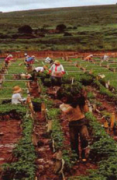
1. From the first peak period of the development of China's coffee industry (1952-1961) to the late 1940s, according to recorded figures, there are 2173.33 hectares of rubber plantations in Hainan Island, with a total of 867600 rubber trees, with an annual output of 199,000 tons of dry rubber, and more than 300,000 coffee plants. the annual output of coffee beans is 1 ton. According to a survey in the early 1950s, there was a large amount of coffee left in Fushan area of Chengmai County, with a total of 70,000.

History of introduction and expansion of Coffee in China in the early stage of Coffee Development (5)
1. From the first peak period of the development of China's coffee industry (1952-1961) to the late 1940s, according to recorded figures, there are 2173.33 hectares of rubber plantations in Hainan Island, with a total of 867600 rubber trees, with an annual output of 199,000 tons of dry rubber, and more than 300,000 coffee plants. the annual output of coffee beans is 1 ton. According to a survey in the early 1950s, there was a large amount of coffee left in Fushan area of Chengmai County, with a total of 70,000.
The History of Coffee introduction and expansion in China in the early stage (5)
1. From the first peak period of the development of China's coffee industry (1952-1961) to the late 1940s, according to recorded figures, there are 2173.33 hectares of rubber plantations in Hainan Island, with a total of 867600 rubber trees, with an annual output of 199,000 tons of dry rubber, and more than 300,000 coffee plants. the annual output of coffee beans is 1 ton. According to a survey in the early 1950s, there was a large amount of coffee left in Fushan area of Chengmai County, with a total of 70,000.
Coffee planting History of Coffee introduction and expansion in China in the early stage (5)
1. From the first peak period of the development of China's coffee industry (1952-1961) to the late 1940s, according to recorded figures, there are 2173.33 hectares of rubber plantations in Hainan Island, with a total of 867600 rubber trees, with an annual output of 199,000 tons of dry rubber, and more than 300,000 coffee plants. the annual output of coffee beans is 1 ton. According to a survey in the early 1950s, there was a large amount of coffee left in Fushan area of Chengmai County, with a total of 70,000.

Eight brands of instant coffee introduce the basic knowledge of coffee
The origin of coffee Coffee originated in Ethiopia. It was used as a beverage in North Africa and West Asia for hundreds of years before it was introduced into Europe in the 17th century. Coffee plantations have been set up in all hot and humid parts of the world, and coffee has become a popular drink. But it takes a lot of days to make a pot of delicious coffee. Coffee beans must be ground into fine powder. You'd better use it.
Practical explanation on the examination rules of roasting Coffee production license [GB]
The coffee tree belongs to the Rubiaceae. Out of a total of 73 varieties, only Arabica (Coffea ara-bica Linnaeus) and Canifera (Coffea canephora Pierre) are cultivated by humans. The remaining 71 varieties are wild, but of no value to growers.

Practical explanation on the examination rules of roasted Coffee production license
First, the general situation of the development of the industry. Coffee tree belongs to Rubiaceae. Out of a total of 73 varieties, only Arabica (Coffea ara-bica Linnaeus) and Canifera (Coffea canephora Pierre) are cultivated by humans. The remaining 71 varieties are wild, but of no value to growers. The 200 varieties of Arabica include the previous varieties of Mocha, Bourbon and Horse.
Introduction of Coffee from 53 Coffee producing areas in the World (3)
twenty-one. Venezuela oil was once considered the main export of Venezuela (Venezuela). Although coffee trees were introduced from Martinique in 1730 and Venezuela, coffee production was almost abandoned at the height of the oil industry. Recently, coffee plantations have begun to recover, with original Tipica and bourbon coffee trees and new plantations

Boutique Coffee introduction of 53 Coffee producing areas in the World 4
twenty-three. Angola, once a big coffee producer, exported 3.5 million bags of coffee a year in the mid-1970s, 98 per cent of which was Roberts (probably the best in Africa), but total production fell to 200000 bags in 1990. The best brands in Angola used to be Ambriz and Amborm.

Beijing characteristic Restaurant: who are you going to go with these 100 small and beautiful shops?
50. FlORETTE address: No. 5 Shimen Village, Baiziwan Road, Chaoyang District, which can be called the most difficult flower shop in Beijing, is an independent old red brick house. Surrounded by a green garden, it is located in an art park renovated by an old factory building, which was almost in ruins before the transformation. Design and research, planting flowers and trees, is work and life, when the flower shop is completed, that kind of
Tea farmers in Yunnan cut down tea trees to grow coffee
Through understanding the reporter found that many local coffee growers in Yunnan, used to grow tea, but now have changed to grow coffee.

Coffee Learning: the History, legends and stories of Coffee
The early historical records of coffee are almost zero, so those are the stories that modern people know. As for what the facts are, there is no way to know. But we can also make some guesses about those legends, after all, this is almost the only way to know and explore the truth now. We can understand the history of coffee from several aspects.

Latte coffee beans knowledge Daquan latte coffee species characteristics latte ratio milk foam ratio
Professional coffee knowledge exchange more coffee bean information please pay attention to the coffee workshop (Wechat official account cafe_style) latte coffee _ the meaning of latte _ latte and mocha the difference between milk and coffee Caffe Latte is Italian, but this drink is not invented in the old sense, the origin of latte can be traced back to the war between the Ottoman Empire of Turkey and Vienna. One six eight

World Map of Coffee beans-- introduction of 53 coffee producing areas in the world
twenty-one. Venezuela oil was once considered the main export of Venezuela (Venezuela). Although coffee trees were introduced from Martinique in 1730 and Venezuela, coffee production was almost abandoned at the height of the oil industry. Recently, coffee plantations have begun to recover, with original Tipica and bourbon coffee trees and new plantations
Have a comprehensive understanding of coffee
Legend of Coffee the person who first discovered coffee: a shepherd in Ethiopia, in the fifth and sixth centuries AD. It is said that Niankadi, a shepherd with talent as a poet, herded sheep on the mountain paths of the Ethiopian plateau every day. He liked to drive the sheep home with a shrill flute, but one day the flute sounded again and there was no sign of the sheep. He looked everywhere. Find sheep